Stanley George Woodbridge, MC
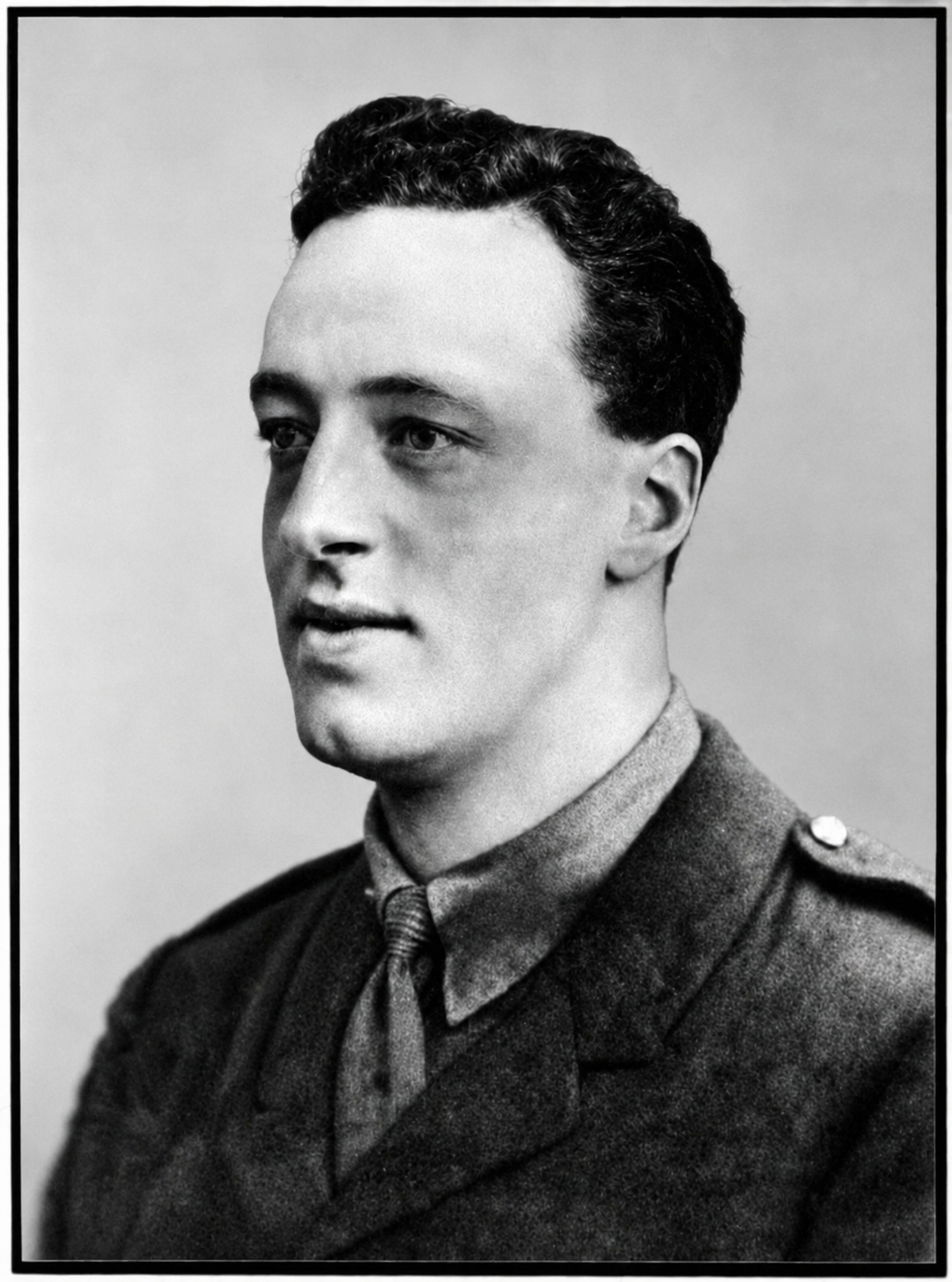
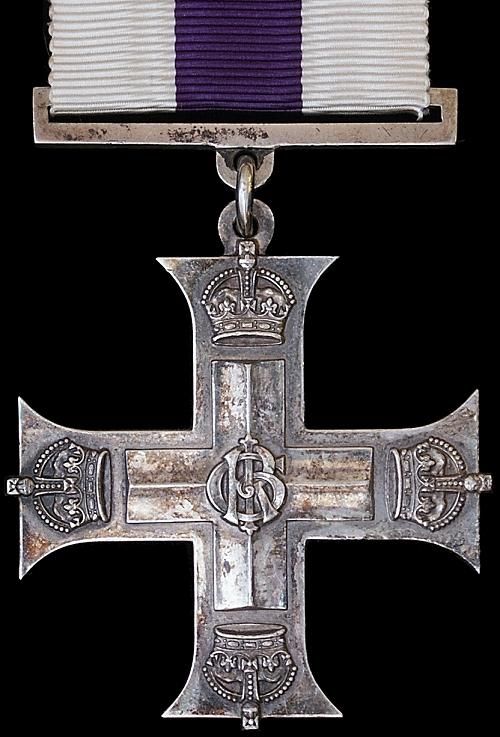
Stanley Woodbridge was a well-known Harrow sportsman and Old Lyonian who left his career at the London Stock Exchange to enlist at the outbreak of the First World War. Rising from private to captain, he led his men in action, was awarded the Military Cross for distinguished service, and ultimately died from wounds sustained in France in 1918.
Civilian Life - Stanley Woodbridge (c.1886–1918) was born in Stanmore and baptised in the parish of Harrow in February 1886. He was the youngest son of James and Annie Eliza Woodbridge of Harrow. Before the war, he worked as a clerk at the London Stock Exchange and was also a prominent local sportsman. An Old Lyonian, he captained the school football team in 1901–02 and later captained the Old Lyonian Football Club for seven years. He was also a keen cricketer, noted as a batsman, bowler and fieldsman. In March 1916 he married Irene Annie Puddefoot, and they had a son, John, born in 1917.
Stanley enlisted immediately after the outbreak of the First World War, joining the 10th (Stockbrokers) Battalion, Royal Fusiliers as a private in August 1914. After training at Colchester and Salisbury Plain, he was sent to France in July 1915. His leadership potential was quickly recognised. In January 1916, he returned to England to take up a commission in the Northumberland Fusiliers, later returning to the Western Front as an Acting Captain. On 16 June 1917, he was severely wounded while leading his company.
Military Life - At the outbreak of the First World War, Woodbridge abandoned his civilian career and enlisted as a private in the 10th Royal Fusiliers (Stockbrokers) in August 1914. After training at Colchester and Salisbury Plain, he was sent to France in July 1915. In January 1916 he returned to England to take up a commission in the Northumberland Fusiliers, subsequently returning to France where he served as an acting captain and led his company in action. His military service included repeated exposure to the fighting. On 16 June 1917, while leading his company, he was seriously wounded by a gunshot to the chest. The bullet struck his revolver and caused it to explode. He was evacuated to England and treated at Salisbury, where he initially made a favourable recovery.
It was for his conduct in the field that Woodbridge was awarded the Military Cross. The Harrow Observer reported that his colonel, in congratulating him, stated that he had “thoroughly deserved it and more.” He was subsequently received by King George V and decorated with the Military Cross. After recovering, Woodbridge returned to military service. He was attached to the West Yorkshire Regiment and went back to France on 3 September 1918. On 23 October, he was severely wounded by a shell. His leg was amputated and he was brought back to England, but a further operation became necessary. He died from his wounds at the Fourth London General Hospital, Denmark Hill, on 19 December 1918, more than a month after the Armistice. He was 32. Woodbridge was buried with full military honours in the Old Harrow Churchyard. His name was also commemorated on the John Lyon School memorials, the Harrow War Memorial and the London Stock Exchange memorial.
His death was particularly remembered by the Old Lyonians. In 1919, the club recorded that it had lost many members of its pre-war team, notably its captain, Stanley Woodbridge, whose leadership and sportsmanlike example had contributed to the club's earlier success.
The following poem, published in the Harrow Observer on 27 December 1918, was dedicated to Captain Stanley George Woodbridge, M.C.:
To A Pal
Dedicated to the late Captain S. G. Woodbridge, M.C.
Thou art gone! Old Pal, God bless thee.
Thou hast earned thy just reward.
That soul so dear, too good for here,
Was wanted by the Lord.
Oh, lion-hearted comrade,
That lovely life devine (sic)
Dear old pal of mine.
Oh noble, generous patriot,
Who died for such as I,
And by thy brave example
Taught men how man should die.
Thou art gone to greet the others,
To fall into the line
And be with those, the Lord hath chose
For glory, pal of mine.
It's for the like of thee, old pal,
That the Grace of God is given;
Only brave hearts like yours, old pal,
Can hope to enter heaven.
We can only pray we may be
Strengthened by thy life so fine;
And hope at last to clasp thy hand
On High, old pal of mine.