Kenneth John Penrith Asher
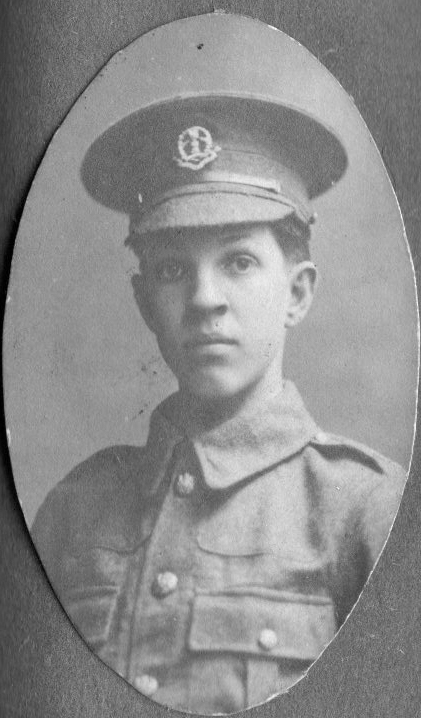
Kenneth John Penrith Asher was a pupil and later Captain of the Lower School of John Lyon before joining the Army during the First World War. His surviving letters home provide a detailed account of his training and life on the Western Front, ending with his death on the opening day of the Somme offensive in July 1916.
Civilian Life - Kenneth John Penrith Asher was born in Algiers on 4 February 1897, the son of George Willis Penrith Asher and Esther Florence Asher. He was the only son and had two younger sisters, Geraldine and Cecile. The family later lived in Harrow, at 17 College Road and subsequently at 56 Hindes Road. Kenneth entered the Lower School of John Lyon in 1906 and remained there until 1913. During his school years he became a member of the local Cadet Corps and was Captain of the School when he left. The school records describe him as an Old Lyonian, and he was later commemorated on the school's First World War memorials.
Military Life - Kenneth enlisted in the 9th Battalion, Middlesex Regiment, in August 1914. He received his commission in December 1914 and subsequently served as a Second Lieutenant. By March 1916 he had gone to France with the 10th Battalion, King's Own Yorkshire Light Infantry (KOYLI), part of the British Expeditionary Force and 21st Division.
His letters from France describe the routine and conditions of service. On 3 April 1916, he wrote that he was censoring around 50 letters a day. He described seeing British, French and German aircraft overhead and watching artillery fire at an aircraft, which he said looked "jolly pretty" against the blue sky. In another letter, dated 26 April, Kenneth described the constant movement of the battalion: "We seem to do nothing but push round France laden like mules." He also described attending a gas demonstration, where he had to walk through chlorine gas wearing a respirator, and encountering lachrymatory gas, which he said had a fruity smell and made his eyes water.
His letters also record the dangers of life near the front. He told Cecile that he had narrowly escaped being hit by a bullet while working behind the trenches. On another occasion, while returning in darkness, he nearly fell into what turned out to be a well.
Writing to The Lyonian, the John Lyon School magazine, on 24 May 1916, Kenneth gave a detailed account of life as a subaltern. He described being sent out with working parties of men carrying picks and shovels, sometimes to repair trenches damaged by artillery fire. He wrote that trench life could be "very dull" but that when it was not dull, "it is too exciting to be pleasant."
He also described a heavy German bombardment which he said was the hottest the battalion had experienced. During the hour-long bombardment, a shell landed on the roof of the dug-out where he was sheltering, leaving him partly buried in chalk. Several other shells burst nearby, and he described feeling the blast and smelling the powder. After the bombardment ended, he went around the trenches collecting shell fragments as souvenirs.
Death on the Somme - Kenneth Asher was serving with the 10th Battalion, King's Own Yorkshire Light Infantry, when the battalion took part in the opening assault of the Battle of the Somme on 1 July 1916.
The battalion war diary records that the 10th KOYLI led the 64th Brigade assault, leaving the trenches at 7.30 a.m. and taking Crucifix Trench that morning. Among the officers recorded as killed was "2nd Lt. K.J.P. Asher." The battalion suffered heavy casualties that day, including ten officers killed, 50 other ranks killed, 292 wounded and 135 missing.
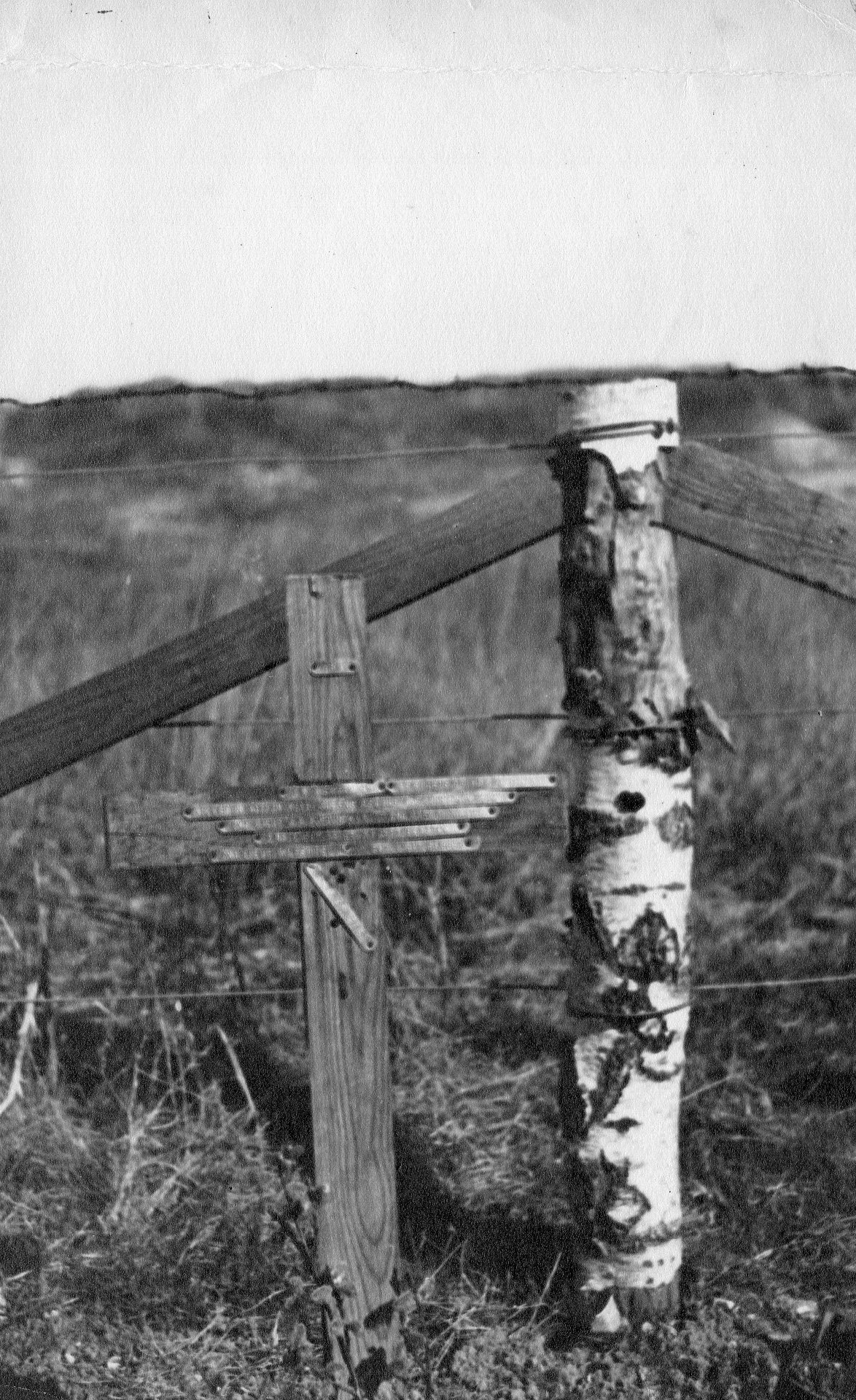
The Commonwealth War Graves Commission record gives Kenneth's date of death as 1 July 1916. Contemporary newspaper reports recorded his death as 2 July, and the research document notes this discrepancy. He was 19 years old. He was buried at Norfolk Cemetery, Bécordel-Bécourt, in France.
Kenneth John Penrith Asher died during the opening day of the Somme offensive, aged 19, while serving as a Second Lieutenant with the 10th King's Own Yorkshire Light Infantry. His letters, preserved by his family and published in the John Lyon School magazine, provide a contemporary record of his experiences of military life in France in the months before his death.